| |
|
|
| View more Databases: |
| CULTURAL RESOURCES |
|
|
|
|
|
|
|
| Species: |
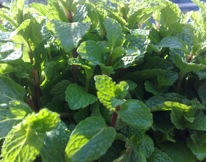
Mentha longifolia |
| Family: |
Ranunculaceae |
| Common/Local Name: |
Horsemint, Biblical mint, Long-leaved mint, Podina, Jangli pudina, Safed pudina, Chachri |
| Trade Name: |
Pudina |
|
The Lamiaceae family has about 250 genera and 6700 species, including herb and garden plants like lavender, sage, basil, rosemary and mint. The genus Mentha consists of about 20-30 species that are mainly found in the temperate... |
|
|
|
|
|
|
| |
| Species: |
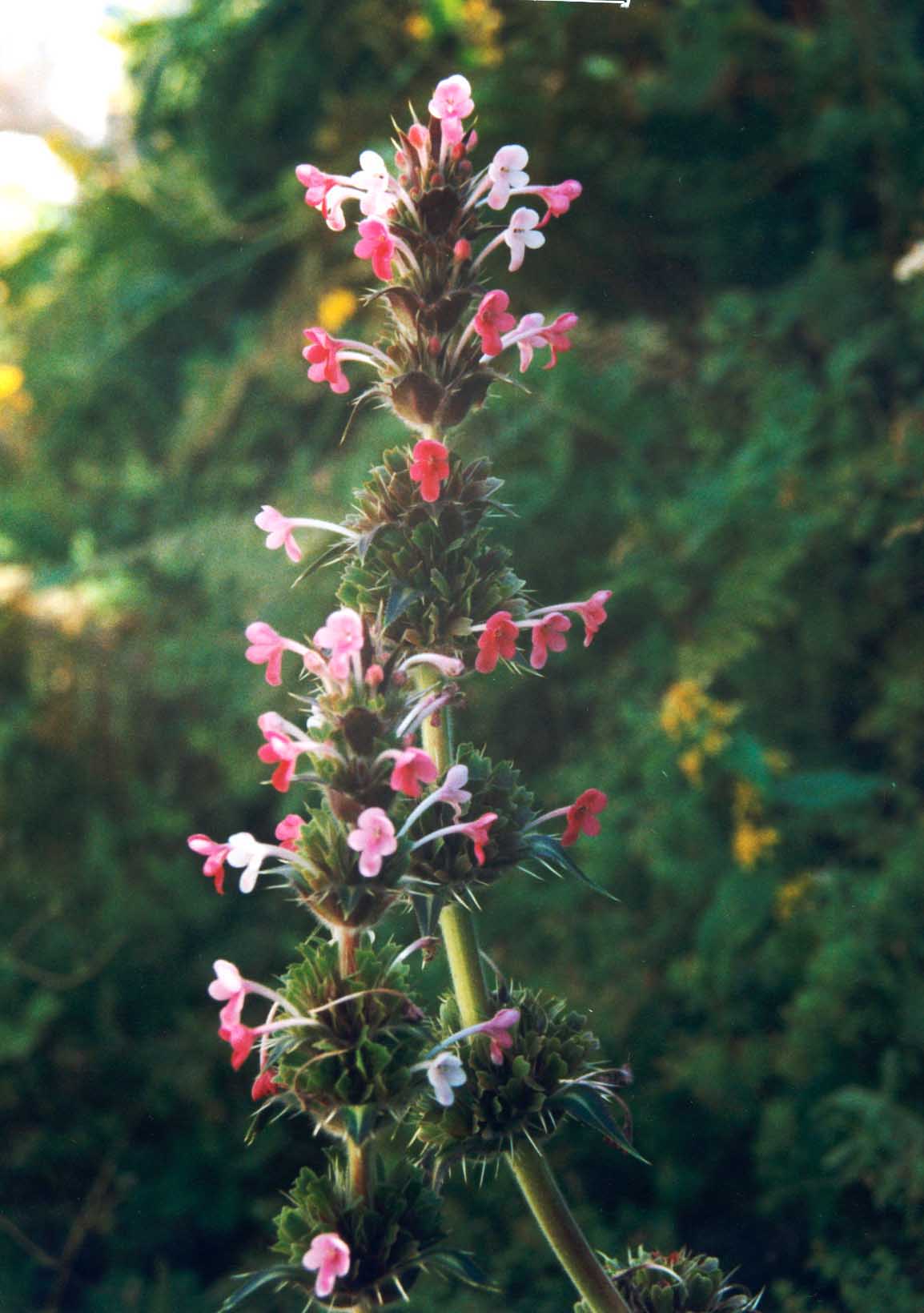
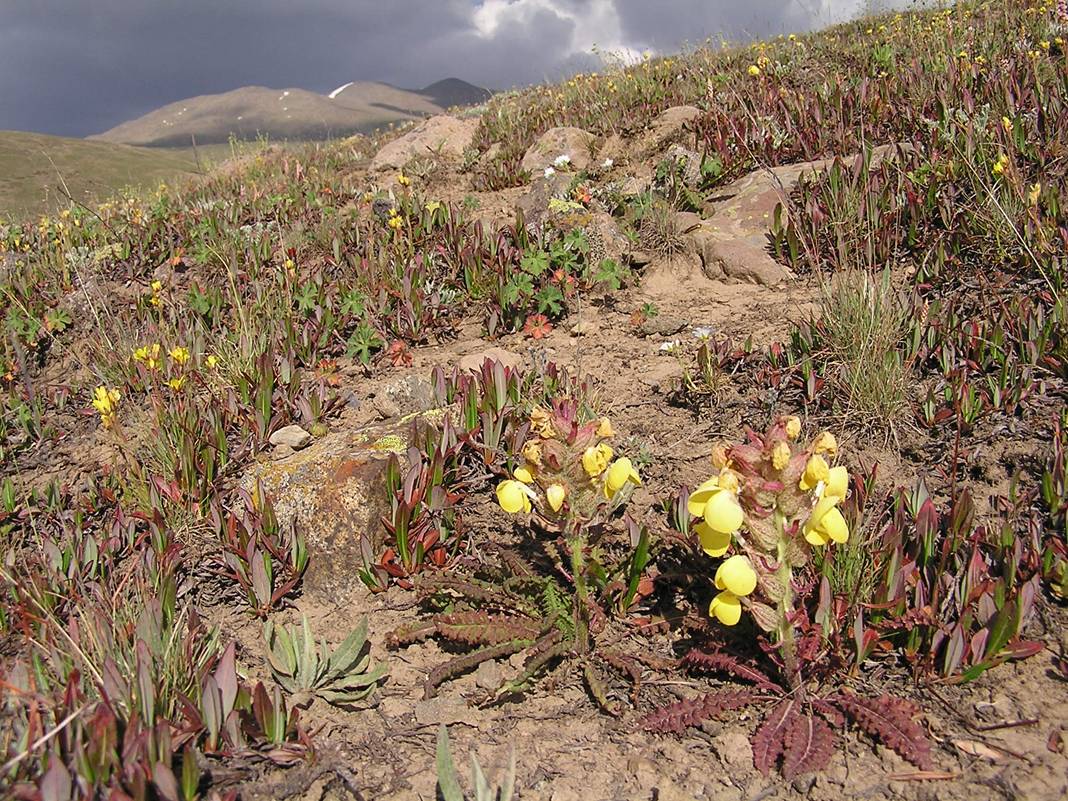
Morina longifolia |
| Family: |
Dipsacaceae |
| Common/Local Name: |
Whorlflower |
| Trade Name: |
Not available |
|
Morina are named in honour of Rene Morin, a French nurseryman who produced the world's first plant catalogue in 1621 called Catalogus plantarum horti Renati Morini. Morina longifolia is an elegant plant with dark... |
|
|
|
|
|
|
| |
| Species: |
Nardostachys grandiflora |
| Family: |
Valerianaceae |
| Common/Local Name: |
Muskroot, Indian spikenard, Jatamansi, Balchir, (Hindi and Punjabi), Tapaswini (Sanskrit), Bhutijatt, Kukilipot (Kashmiri), Masi (Garwhal), Pampe (Bhutan), Haswa, Naswa (Nepal) |
| Trade Name: |
Jatamansi, Bhutjata |
|
It is considered to be among one of the most attractive alpine plants with rose-purple to whitish flowers. The plant has a very pungent smell. The plant is valued for its rhizomes which have important medicinal... |
|
|
|
|
|
|
| |
| Species: |
Onosma bracteatum |
| Family: |
Boraginaceae |
| Common/Local Name: |
Dhamani, Ratanjot, Gojihva, Gajavan, Gaojavan, Gule-gaojavan, Shankhahuli |
| Trade Name: |
Ratanjot, Dhamani, Gojihva |
|
Habitat and ecology: The plant requires well-drained, light soil and is generally found on sun-facing slopes. This plant is found in the Western Himalayas and Central Himalayas from Kashmir to Kumaon between the... |
|
|
|
|
|
|
| |
| Species: |
Origanum vulgare |
| Family: |
Lamiaceae |
| Common/Local Name: |
Oregano, Jakhmbuti, Bantulsi |
| Trade Name: |
Oregano |
|
Oregano is one of the most widely used spices in European cuisine and is widely cultivated for its use in cooking. It belongs to the family of other important herbs like marjoram, mint and savory. The plant is a... |
|
|
|
|
|
|
| |
| Species: |
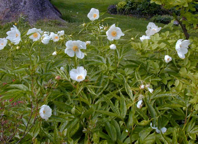
Paeonia emodi |
| Family: |
Ranunculaceae |
| Common/Local Name: |
Chandra/Himalayan peoni, Chandra (Joshimath), Udsalap (Hindi), Svetamoola (Sanskrit) |
| Trade Name: |
Himalayan Peony |
|
Peonies are herbaceous perennials arising from thickened tuberous roots. Largely invisible, hidden underground most of the year, they are quite spectacular when they emerge. Peonies are one of the longest living, herbaceous... |
|
|
|
|
|
|
| |
| Species: |
Panax pseudo-ginseng |
| Family: |
Araliaceae |
| Common/Local Name: |
Ginseng, Korean Ginseng, Panax Ginseng, Salanay, Ginseng (Arunachal, Darjeeling) Manga-n, Tapmari, Panch patay (Nepal, Sikkim) |
| Trade Name: |
Ginseng |
|
Panax pseudo-ginseng belongs to the family, Araliaceae. All members of the genus Panax have some variant of ginsenosides, in different amounts. The plant species is found in East Asia from China to the Himalayas and Burma.... |
|
|
|
|
|
|
| |
| Species: |
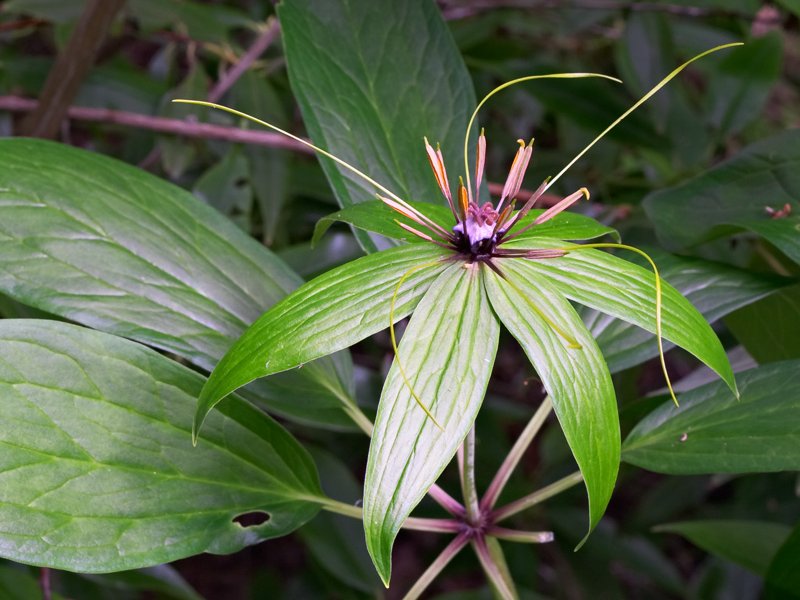
Paris polyphylla |
| Family: |
Liliacaeae |
| Common/Local Name: |
Herb Paris, Dudhiabauj, Satwa (Hindi); Tow (Nepali), Svetavaca (Sanskrit) |
| Trade Name: |
Dudhiabauj, Satwa |
|
The members of the genus Paris impart supreme beauty to the garden and have an beautiful inflorescence. The genus name Paris is derived from ‘pars’, referring to the symmetry of the plant. Paris polyphylla is a... |
|
|
|
|
|
|
| |
| Species: |
Pedicularis bicornuta |
| Family: |
Scrofulariaceae |
| Common/Local Name: |
Two-horned louseworts, Tawang: Lhook-roo-karpoh. |
| Trade Name: |
Data not available |
|
The plant derives its name from the Latin word pediculus, which means a louse. In the western Indian Himalayas, the Tibetan women offer the flowers to the deity. The inhabitants consider the plant species to possess some... |
|
|
|
|
|
|
| |
| |
|
|