Title:Biodiversity Loss Credit:Compiled from multiple sources by Pragya
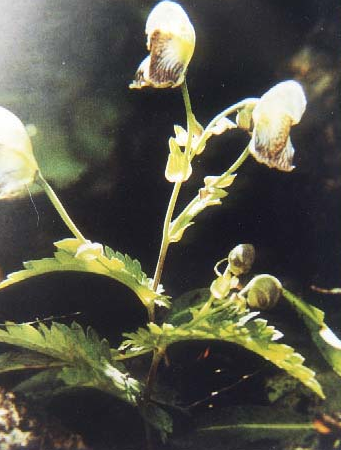
The Himalayan region is a vast storehouse of floral and faunal diversity with a large number of endemic species. The variety of biotic and abiotic components of the region makes it an ideal hotspot for a diversity of species to live in. Presently, this natural heritage is deteriorating because of several factors like climate change, habitat loss and anthropogenic factors like hunting and poaching. The increasing demand in the global market for the natural resources of the Himalayan region like valuable medicinal plants (Aconitum heterophyllum and Saussurea costus) and animal parts (Himalayan musk deer, shahtoosh wool from Tibetan antelope Chiru) has aggravated the problem. Consequently, the region has suffered great biodiversity loss due to over-exploitation of the same resources.
The critical situation of biodiversity loss can be understood by the factors affecting it.
Climate change: Climate change is affecting the species diversity of the Himalayas by altering the very habitat of these organisms. With a change in seasonal patterns, the life cycles of several organisms are being affected. Thus, insects depending on temperature for reaching maturity get obliterated with even a slight increase in temperature. This in turn affects the pollination of plant species, reducing population sizes because a fewer number of seeds are formed. Finally, the extinction of floral species leads to lesser availability of food for herbivores. Through this, we can comprehend the impact of climate change on an entire ecosystem.
It causes an altitudinal shift of some species habitat towards highlands in order to remain in their range of preferred temperature.
Slight changes in weather patterns (mainly temperature and precipitation) tend to affect vulnerable species.
Higher temperatures also may translate in forest fires, thus leading to widespread destruction of various organisms.
Anthropogenic factors: Earlier, the Himalayas were untouched by humans and consisted of vast tracts of virgin land. Nowadays, development initiatives are making inroads at a rapid pace, often at the cost of the natural resources. According to estimates made by IUCN, almost 25% of the habitat in the eastern Himalaya hotspot has been degraded due to anthropogenic factors. The following are some of the major anthropogenic factors responsible for biodiversity loss:
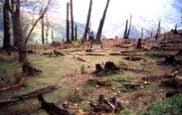
The increasing demand for Himalayan resources (water for electricity generation, medicinal plants, animal parts, land for agriculture etc.) has caused increased immigration into the region and this in turn has led to extensive clearing of the forests and grasslands for cultivation and settlements. The enormity of the problem can be gauged from the fact that from 1990-2005, Nepal lost 1.2 million ha (25%) of its forest cover.
Overgrazing by domestic livestock has inflicted severe damage on the grasslands and this has had a negative impact on the wild herbivore populations of the region. Also, overgrazing often leads to dominance of unpalatable species.
In the past few decades, the flora of the Himalayan forests has been overexploited by pharmaceutical industries. With the demand for medicinal plants going up by 15-25% annually and the global trade in raw medicinal plants estimated at $ 14 billion and medicines and food supplements made with herbs crossing $60 billion/year, the industry is poised at large-scale expansion. To meet this burgeoning demand, medicinal plants are being harvested from the wild in an unsustainable manner. Medicinal plant collectors are often ignorant of proper collection techniques and uproot entire plants, which affects the regeneration of the next generation. Illegal trading of plants parts is also a major cause for concern in the region (e.g. Cordyceps sinensis fetches a price of Rs. 1.5-3 lakh/kg in the market which acts as an incentive for local communities to harvest the plant from the wild).
Uncontrolled collection of fuel-wood and non-timber forest products (NTFPs) has inflicted severe damage on the forest ecosystems. Heavy dependence of the local communities on NTFPs and the lack of alternate resources have intensified the issue.
Trans-boundary poaching is another serious threat to the faunal kingdom. While tiger and rhinoceros body parts are in great demand for their use in traditional Chinese medicines, animals like snow leopards, clouded leopards and red pandas are hunted for their pelts. The exorbitant prices (Rs. 1.5 million/kg of rhinoceros horn which is used to make medicines, aphrodisiacs and decorative items) are fuelling international trafficking. Most of the Himalayan countries have legal institutions and policy frameworks for biodiversity conservation. However, poor implementation has given a boost to illegal hunting, smuggling of animal parts and poaching.
Widespread logging has led to decrease in vegetation cover that causes soil erosion along the mountain slopes and increases the vulnerability to landslides.
Increase in the inflow of tourists in the region is affecting the region through increase in pollution levels (tourist numbers crossed 50,000 in 2008 in Ladakh district alone). However, if organized in a sustainable, environmentally conscious manner, the sector can serve as a source of income generation for local populations as well as a platform for awareness about the Himalayas resources.
Various other threats to the biodiversity include mining activities, construction of roads and establishment of large hydro-electrical projects (e.g. Tehri dam across the Bhagirathi river).
Hence, biodiversity loss in the Himalayan region is a serious issue and the situation can be ameliorated to some extent by strict enforcement of laws, rejuvenation of traditional methods of conservation and awareness generation.