| Plant Profile: |
|
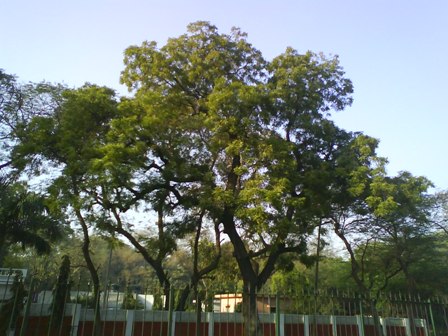
Neem is very well known tree of India. The tree has pinnate leaves, flowers are small, white, and in short axillary bunches. Fruits 1.2- 1.8 cm. long green or yellow; seed one in each fruit. It is found throughout India. As a common roadside plant, grown over the greater parts of India. In Himachal found mainly in Nalagarh & Nahan forest division. It is rare in Tawang bioregion. Flowering in March-April and fruiting in July-August. People pluck leaves, young fruits and debarking of tree.
|
| Medicinal uses: |
| Parts used: Whole plant |
| Active principles: Nimbidine, nimbin, nimbinine, nimbosterol, and more unidentified steroids have been isolated. Tetranortriterpenoids like nimbine, salanin, nimbolide, azadirone, are found to be present alongwith some polyphenolic compounds. |
Disease cured and dosage:
- Ethnomedicinal: Used in leprosy, intestinal worms, piles and urinary diseases. Root bark & young fruits are astringent, tonic, & antiperiodic. Bark is bitter tonic, astringent, and also vermifuge. Fruit is purgative & antihelmintic. Leaves are discutient, leaf juice antehelmintic. The antibiotic activity of leaves & roots of the tree & their utility in skin diseases have been confirmed experimentally.
- Ethnoveterinary: Data not sufficient
|
| Ayurveda/Unani prepration: Nimbadi-churna, Nimbarishta, Nimbaharidrakhand, Mahamarichyadi taila, Punarnavadi kwath. Prescribed dose -Churna: 2-4 gm, Swarasa: 10-20 ml, Taila: 5-10 drops. |
Ayurvedic properties and actions:
- Guna (Qualities): laghu (Light)
- Rasa (taste): tikta (bitter), kashaya (astringent)
- Virya (potency): katu (pungent)
As per Charaka Samhita: It is considered as kandughna (antipruritic), tiktaskandh (bitter taste)
|
Therapeutic description:
- Effect on humours: Alleviates Pitta, Kapha.
- Systemic effects(external): Abscess, glandular inflammation and wounds (paste of leaves), Itching and other skin diseases (bath with decoction of leaves), fistula (neem oil suppositories), arthritis, rheumatoid arthritis (oil massage), ticks and mites infection (seed paste), alopecia, greying of hairs (oil nasaya), burn (expressed juice of leaves).
- Respiratory system: Cough
- Digestive system: Dyspepsia, digestive upsets, worms-infestation, IBS (Irritable bowel syndrome), liver disorders, vomiting, piles and constipation.
- Digestive system: Dyspepsia, digestive upsets, worms-infestation, IBS (Irritable bowel syndrome), liver disorders, vomiting, piles and constipation.
- Blood vascular system: Blood related inflammatory disorders.
- Urino-genital system: Polyurea, puerperal diseases.
- Skin: Leprosy and other skin diseases
- Temperature: Malaria, typhoid and chronic fever.
|
Drug preparation: Widely used in any form
- Crude and powder form
- Stored in moisture free jars
- Shelf-life: 1-2 year
- Dosage forms used: Distillates- Oil
- Mode of application: External use: Poultice, soft paste, lotion, oil, baths. Internal use: Chewing, ingestion, nasal drop, toothbrushes, suppositories
|
|
|
 |
|
| Family:
Meliaceae |
| Common name:
Margosa tree |
| Local name: Neem, Nim, Nimba, Neem-pah (Tawang), Neem (Hindi) |
| Ayurvedic name:
Nimba, Pichumard, Arishta, Hinguniryasa |
|
|
|
| File Size:3103.6328125kb |
|
|




