| Plant Profile: |
|
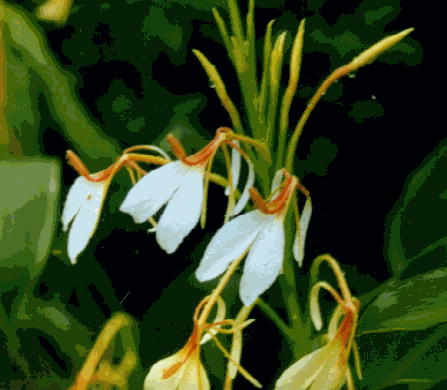
Hedychium spicatum is a perennial, rhizomatic and robust herb, which grows up to 1 m tall. The rhizomes are up to 7.5 cm in diameter, aromatic, knotty, spreading horizontally under the soil surface, grey brown in colour and have long, thick fibrous roots. The leaves are large with long clasping sheaths. The plant grows in the Himalayan belt from Himachal Pradesh to Arunachal Pradesh. Flowering takes place in the month of July and fruiting takes place in September. People dig out the rhizomes from wild during September/October. The plant is easily propagated through rhizome pieces and prefers rich organic matter, partial shade and moist conditions.
|
| Medicinal uses: |
| Parts used: Cut dried rhizomes |
| Active principles: The rhizomes contain an essential oil containing P-methhoxy cinnamic acid, ethyl cinnamate, d-sabinine sesqueterpine, alcohols, pentadecane, and traces of cinnamaldehyde. |
Disease cured and dosage:
- Ethnomedicinal: It is used to treat diseases like arthritis, asthma, diarrhoea, dysentery, dropsy, headache and rheumatism. An ethyl alcohol extract of the rhizome is hypoglycaemic, anti inflammatory, vasodilatory, mild hypotensive, antiseptic and useful as a topical pulmonary eosinophilia and as an insect repellent. In Unani medicine, it is used as an aphrodisiac. Due to its insect repellent properties, the rhizomes are used to preserve clothes. Powdered rhizomes can be used for perfuming tobacco. The rhizome is aromatic, ant-arthritic, appetiser, cardiac, stimulant, carminative, deodorant, hair tonic, stomachic and tonic. It is found to be useful in colic, cough and asthma, diarrhoea, dysentery, dropsy, headache, hair falling, live complaints, rheumatism, skin diseases and vomiting.
- Ethnoveterinary: The rhizomes are also used in veterinary medicines.
|
| Ayurveda/Unani prepration: Shatyadi-churna, Shatyadi-kwath. Prescribed dose: churna 1-3 g, kwath 25-50 ml. |
Ayurvedic properties and actions:
- Guna (Qualities): Laghu (light), tikshna (sharp)
- Rasa (taste): Katu (pungent), tikta (bitter), kashay (astringent)
- Vipaka (post digestive taste): katu (pungent)
- Virya (potency): Ushna (hot)
As per Charaka Samhita it is considered shwashar (reduces dyspnoea) and hikkanigrahan (antihiccough)
|
Therapeutic description:
- Effect on humours: Alleviates vata, kapha.
- Systemic effects: Treats arthritis, flatulence, skin diseases (apply paste locally), toothache, foul smell of mouth (tooth powder), alopecia (powder + hair oil) and headache (powder nasya).
- Nervous system:
- Respiratory system: It is used in the treatment of catarrh, cough, hiccough, dyspnoea, eosinophilia and asthma.
- Digestive system: Used to treat ayspepsia, abdominal colic, digestive upsets, vomiting and diarrhoea.
- Blood vascular system: Cures cardiac debility.
- Temperature: It is used in the treatment of chronic fever.
|
Drug preparation: To convert the plant into a drug, the rhizome is ground into powder after cutting and drying.
- The powder should be stored in moist free airtight containers.
- It has a shelf life of one year.
- It can be externally applied as a paste, powder or hair-oil. For internal use: it can be ingested or inhaled.
|
|
|
 |
|
| Family:
Zingiberaceae |
| Common name:
|
| Local name: Banhaldi (Joshimath), Kapur kachari (Hindi) |
| Ayurvedic name:
Shati, Gandhmulika, Palashi |
|
|
|
| File Size:280.9482421875kb |
|
|




