|
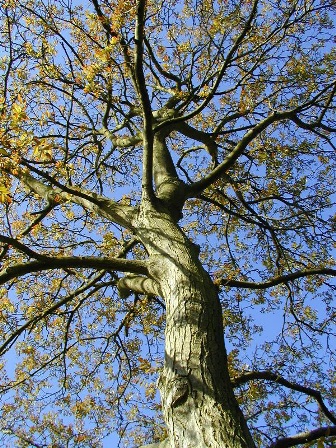
Juglans regia is a large tree native to southeastern Europe and western Asia. The generic name Juglans is a combination of the Latin jovis (the king of gods) and glans (nut). The leaves are imparipinnate with the leaflets in pairs, sessile, oblong, rounded at base, acuminate. The fruit is a fleshy drupe, oblong, ovoid and olive green colour when immature. The shell is hard and thick. And the kernels are pale white, thick and oily. The tree is found growing wild throughout the Himalayas and hills of Assam at altitudes of 1000-3300 m. In Himachal Pradesh, the tall giant trees of wild varieties are found in shaded ravines in Chamba, Kullu, Shimla, and Sirmour. Recently, people have started cultivating superior, grafted varieties of walnuts for plantations. Flowering takes place in March-April and fruiting in September-October. The bark of the tree is also peeled and the dried fruit taken away from the tree during the month of September and October. Under natural conditions the fruits fall to the ground and around the tree. The exocarp cracks and rots off. The nuts, however, are subject to attack by birds, monkeys and rodents and large quantities of them are destroyed. The bark is popularly known as Dandasa and is illegally traded.
|